 Type 1 Diabetes
ref
The environment may also be a factor. More cases of diabetes are diagnosed in the winter months, in Northern climates, and in Caucasians. For instance, Canada has 60 percent more cases diagnosed per year than the U.S. Other factors that have been explored are childhood feeding practices, childhood viruses, and genetic susceptibility.
- Understanding Diabetes 12th Edition, Peter Chase M.D.
- First Book for Understanding Diabetes (The Pink Panther Booklet)- by H. Peter Chase, M.D. 11th edition 2006. This booklet - and the above mentioned Understanding Diabetes -- is available through the Barbara Davis Center for Childhood Diabetes at the University of Colorado. It can be read online or purchased at the website. This booklet is a must have, and may be a part of the education you receive at the hospital.
- The Everything Parent's Guide to Children with Juvenile Diabetes: Reassuring Advice for Managing Symptoms and Raising a Happy, Healthy Child - Moira McCarthy, Jake Kushner, Adams Media: 2007.
- 1. Syringe: A syringe is a hollow plastic tube with a plunger and a needle at the other end. There are markers to measure the units of insulin. The syringe is inserted into a vial of insulin and the insulin is extracted to the proper dose. Good eyesight and finger dexterity is needed for this technique.
- 2. Insulin pens: A newer and easier method to inject insulin, especially for people on the go, visually impaired and poor coordination. The pen has an insulin cartridge, and a small needle for injection.
- 3. Insulin pump: The pump is a small computerized device that delivers insulin in two ways- a constant small amount of basal insulin and then a bolus of insulin at meals that the wearer determines. However, only rapid acting insulin is used in the pump. The pump is attached to the body all the times (except when showering and swimming) and is the size of a beeper or cell phone. The need for four or more shots a day is gone- the pump tubing is replaced every three days and a small plastic catheter inserted in the skin (with a needle) delivers the insulin. People who are comfortable with technology and want to be free of the daily shots and who need better glucose control find the pump a positive change. Starting on a pump is a decision the patient must be comfortable with, and must have demonstrated self-monitoring and assumed responsibility for good control. Small children benefit from the pump because very small doses of basal insulin can be given and there are less needle pricks. Explore the pros and cons here. Most people who choose the pump achieve even better glycemic control. A diabetes educator can help the patient decide if he/she is ready for the pump, review the types of pumps, and identify which one would best serve his/her needs.
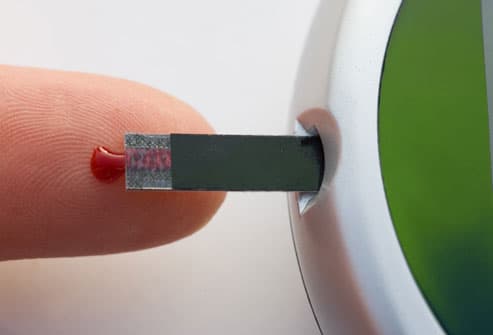
Treatment- Monitoring Blood Glucose

 Cancers occurring in the head and neck region are usually categorized
together. They form a diverse group and include cancers of the skin
over this region, cancers in the sinuses, nose, mouth, throat, thyroid
and salivary glands. Cancers of the brain and eye are usually not
classified within the same group.
Cancers occurring in the head and neck region are usually categorized
together. They form a diverse group and include cancers of the skin
over this region, cancers in the sinuses, nose, mouth, throat, thyroid
and salivary glands. Cancers of the brain and eye are usually not
classified within the same group.